
From land to a Luxury resort.
Fine Acers approaches resort development as a complete hospitality journey — beginning with the right land and ending with a professionally operated destination with long-term relevance.
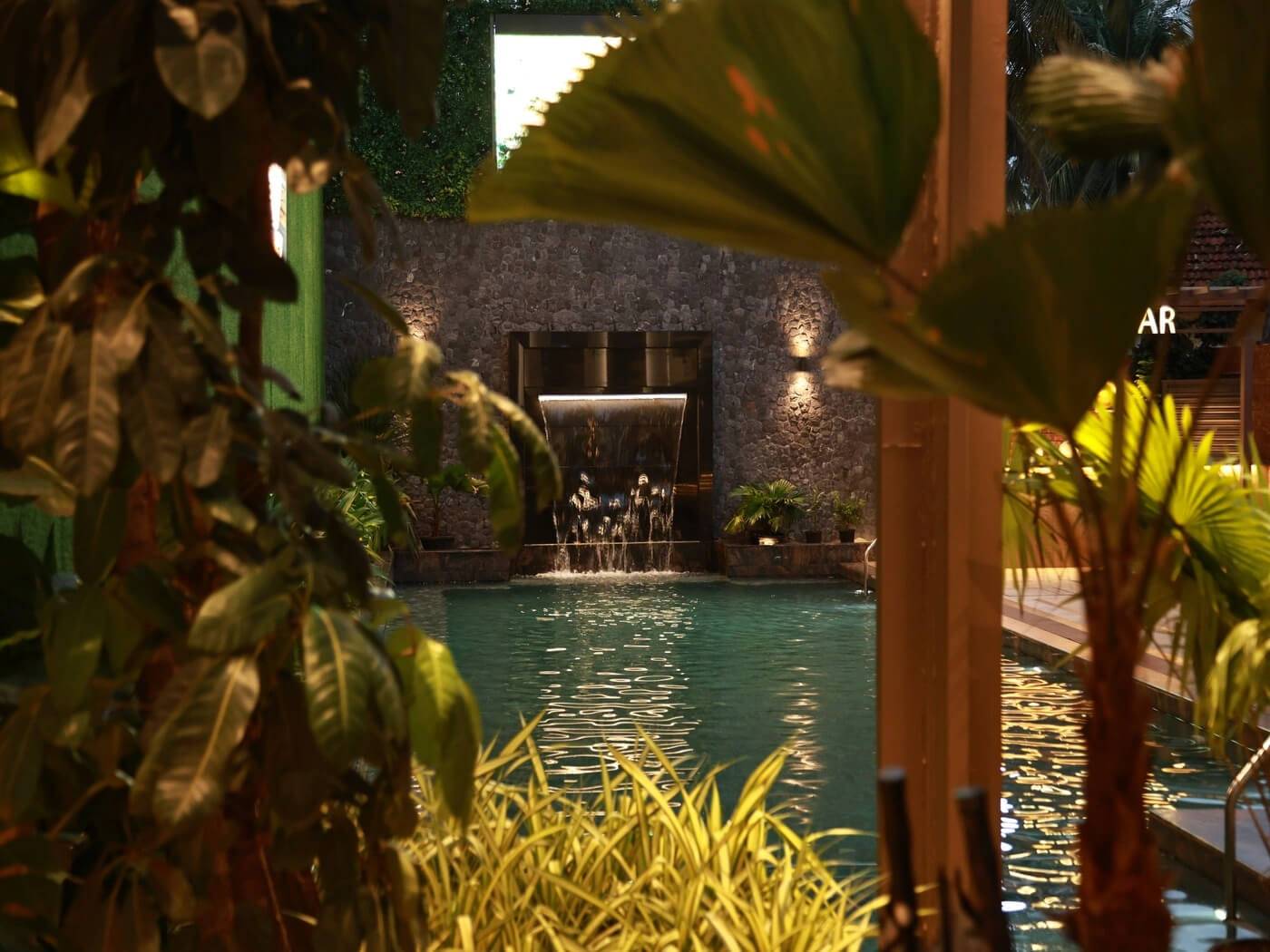
The Development Principle
Land is only the starting point.
A successful resort requires destination strategy, feasibility, architecture, brand alignment, approvals, commercial structuring, construction discipline and an operating ecosystem that can perform after opening.
From land to a resort.
Fine Acers approaches resort development as a complete hospitality journey — beginning with the right land and ending with a professionally operated destination with long-term relevance.
The Development Principle
Land is only the starting point.
A successful resort requires destination strategy, feasibility, architecture, brand alignment, approvals, commercial structuring, construction discipline and an operating ecosystem that can perform after opening.
Transforming
location potential
into hospitality
value.
Fine Acers brings together the disciplines required to move a hospitality project from site identification to operating resort — aligning land, concept, guest experience, commercial viability and ownership strategy within one development ecosystem.
01
Land Strategy
02
Hospitality Concept
03
Development & Structuring
04
Operating Resort
Transforming
location potential
into hospitality
value.
Fine Acers brings together the disciplines required to move a hospitality project from site identification to operating resort — aligning land, concept, guest experience, commercial viability and ownership strategy within one development ecosystem.
01
Land Strategy
02
Hospitality Concept
03
Development & Structuring
04
Operating Resort
We do not ask, “What can we
build here?” first.
We begin with a more important question: “Why should a guest travel here?” That answer shapes the resort category, experience mix, room inventory, architecture, amenities, pricing, brand strategy and commercial structure that follow.
We do not ask, “What can we build here?” first.
We begin with a more important question: “Why should a guest travel here?” That answer shapes the resort category, experience mix, room inventory, architecture, amenities, pricing, brand strategy and commercial structure that follow.
Ten stages. One connected development vision.
Fine Acers structures the ownership journey around project selection, documented commercial terms, registration, resort operations and applicable owner privileges.
01
02
03
04
05
06
07
08
09
10
Land Identification
Due Diligence & Feasibility
Hospitality Concept
Master Planning & Design
Brand / Operator Alignment
Approvals & Development Readiness
Commercial & Ownership Structuring
Construction & Delivery
Pre-Opening & Resort Readiness
Operations & Asset Lifecycle
Evaluate destination relevance, access, surrounding demand generators, topography, visibility and long-term hospitality potential.
Study legal, planning, development, market and preliminary financial considerations before defining the opportunity.
Define the guest, resort category, room mix, experiences, F&B, wellness, events and overall destination proposition.
Translate the concept into site zoning, built form, circulation, landscape, amenities, guest journeys and operational logic.
Where applicable, align the project with a hospitality brand, operating standard or distinct Fine Acers home-brand identity.
Progress applicable planning, technical, statutory and project-specific permissions required for execution.
Define project economics, inventory strategy, payment plans and applicable ownership or leaseback structures.
Execute architecture, interiors, MEP, landscape, infrastructure and hospitality specifications through coordinated development.
Prepare operating systems, staffing, training, sales channels, guest standards and launch readiness.
The development transitions into an operating hospitality business with ongoing guest experience, asset care and owner engagement.
Ten stages. One connected development vision.
Fine Acers structures the ownership journey around project selection, documented commercial terms, registration, resort operations and applicable owner privileges.
01
02
03
04
05
06
07
08
09
10
Land Identification
Due Diligence & Feasibility
Hospitality Concept
Master Planning & Design
Brand / Operator Alignment
Approvals & Development Readiness
Commercial & Ownership Structuring
Construction & Delivery
Pre-Opening & Resort Readiness
Operations & Asset Lifecycle
Evaluate destination relevance, access, surrounding demand generators, topography, visibility and long-term hospitality potential.
Study legal, planning, development, market and preliminary financial considerations before defining the opportunity.
Define the guest, resort category, room mix, experiences, F&B, wellness, events and overall destination proposition.
Translate the concept into site zoning, built form, circulation, landscape, amenities, guest journeys and operational logic.
Where applicable, align the project with a hospitality brand, operating standard or distinct Fine Acers home-brand identity.
Progress applicable planning, technical, statutory and project-specific permissions required for execution.
Define project economics, inventory strategy, payment plans and applicable ownership or leaseback structures.
Execute architecture, interiors, MEP, landscape, infrastructure and hospitality specifications through coordinated development.
Prepare operating systems, staffing, training, sales channels, guest standards and launch readiness.
The development transitions into an operating hospitality business with ongoing guest experience, asset care and owner engagement.
The land has to earn the right concept.
Feasibility prevents the project from being driven by architecture alone. The aim is to understand what the destination can realistically support and what type of hospitality proposition can remain relevant.
DESTINATION DEMAND
Tourism, weddings, events, wellness, corporate movement, weekend travel and seasonal demand.
ACCESS & CONNECTIVITY
Road, airport, rail, drive-time markets and the practical ease of reaching the destination.
LAND CHARACTER
Topography, views, natural features, buildability, landscape potential and site identity.
MARKET POSITIONING
Competitive resorts, pricing environment, room supply, guest profile and category gaps.
DEVELOPMENT LOGIC
Indicative room count, amenities, back-of-house, infrastructure and operational efficiency.
COMMERCIAL VIABILITY
Development assumptions, asset mix, operating model and the financial logic supporting the concept.
The land has to earn the right concept.
Feasibility prevents the project from being driven by architecture alone. The aim is to understand what the destination can realistically support and what type of hospitality proposition can remain relevant.
DESTINATION DEMAND
Tourism, weddings, events, wellness, corporate movement, weekend travel and seasonal demand.
ACCESS & CONNECTIVITY
Road, airport, rail, drive-time markets and the practical ease of reaching the destination.
LAND CHARACTER
Topography, views, natural features, buildability, landscape potential and site identity.
MARKET POSITIONING
Competitive resorts, pricing environment, room supply, guest profile and category gaps.
DEVELOPMENT LOGIC
Indicative room count, amenities, back-of-house, infrastructure and operational efficiency.
COMMERCIAL VIABILITY
Development assumptions, asset mix, operating model and the financial logic supporting the concept.
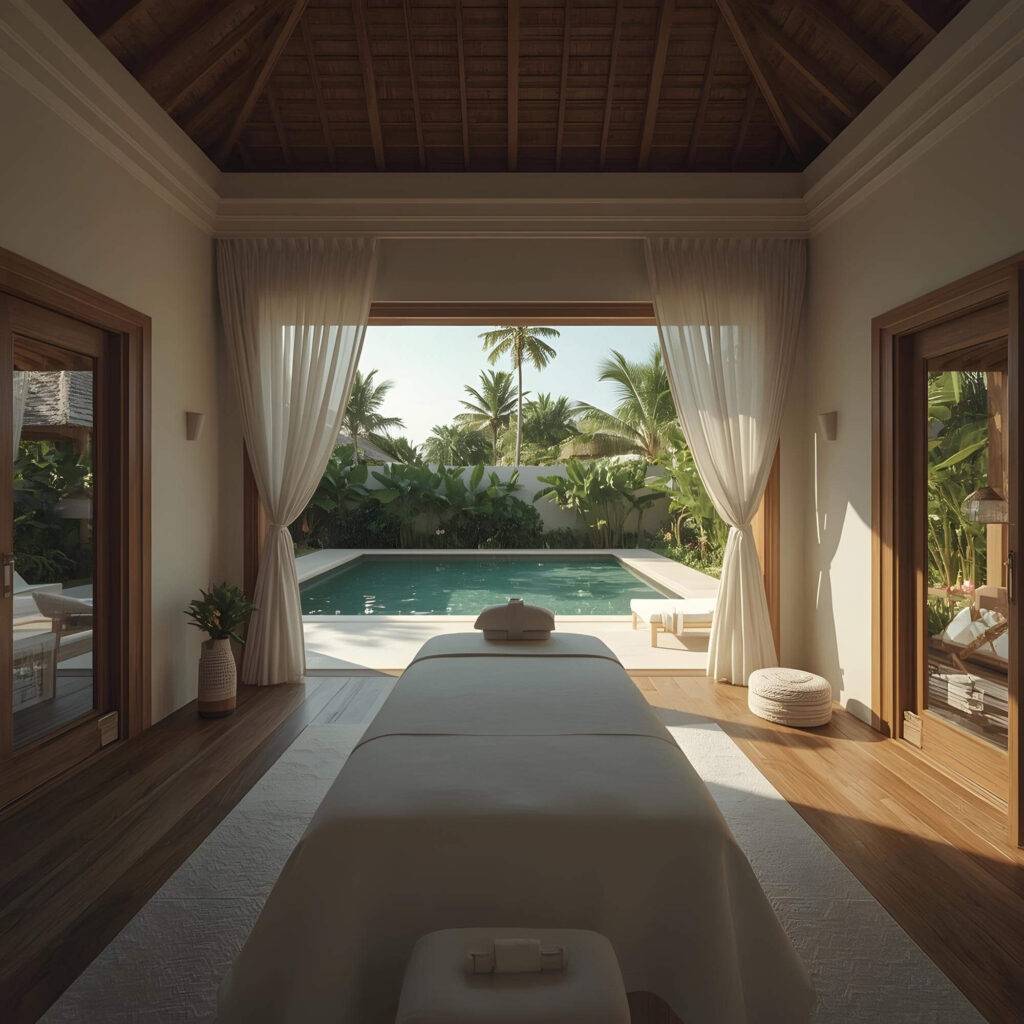
The resort is designed as an experience system.
A hospitality masterplan must work for both the guest and the operator. Arrival, room privacy, landscape, amenities, service circulation, event movement and back-of-house functions all need to coexist without compromising the experience.
- Arrival & Guest Journey
- Room / Villa Inventory
- F&B + Banqueting
- Wellness + Leisure
- Landscape + Experiences
- Back-of-House Efficiency
01
02
03
04
05
06
The resort is designed as an experience system.
A hospitality masterplan must work for both the guest and the operator. Arrival, room privacy, landscape, amenities, service circulation, event movement and back-of-house functions all need to coexist without compromising the experience.
- Arrival & Guest Journey
- Room / Villa Inventory
- F&B + Banqueting
- Wellness + Leisure
- Landscape + Experiences
- Back-of-House Efficiency
A brand should fit the destination — not simply decorate it.
The right hospitality identity should support positioning, guest expectations, service standards, sales channels and operating capability.
01
02
03
04
Define the Guest Promise
What should the destination feel like, and who should it be designed for?
Match Brand Architecture
Evaluate whether the opportunity fits a Fine Acers home brand or an external hospitality association.
Align Standards & Design
Integrate the applicable service, room, public-area and operating requirements into development.
Prepare for Operations
Move from development branding into a functioning hospitality system with guest-facing consistency.
A brand should fit the destination — not simply decorate it.
The right hospitality identity should support positioning, guest expectations, service standards, sales channels and operating capability.
Define the Guest Promise
What should the destination feel like, and who should it be designed for?
Match Brand Architecture
Evaluate whether the opportunity fits a Fine Acers home brand or an external hospitality association.
Align Standards & Design
Integrate the applicable service, room, public-area and operating requirements into development.
Prepare for Operations
Move from development branding into a functioning hospitality system with guest-facing consistency.
A resort is a coordination exercise before it becomes a construction exercise.
The exact approvals and technical requirements vary by site, jurisdiction and project. Fine Acers’ development approach is to coordinate the disciplines required to make the project execution-ready.
01
Planning
Site planning, zoning, access, circulation and development parameters.
02
Architecture
Concept, design development, room planning, public areas and guest experience.
03
Engineering
MEP, utilities, infrastructure, services, sustainability and operational systems.
04
Landscape
Outdoor experiences, arrival, privacy, microclimate and destination character.
05
Hospitality Standards
Applicable room, service, back-of-house and operational requirements.
06
Project Coordination
Align consultants, execution priorities, commercial milestones and development intent.
A resort is a coordination exercise before it becomes a construction exercise.
The exact approvals and technical requirements vary by site, jurisdiction and project. Fine Acers’ development approach is to coordinate the disciplines required to make the project execution-ready.
01
Planning
Site planning, zoning, access, circulation and development parameters.
02
Architecture
Concept, design development, room planning, public areas and guest experience.
03
Engineering
MEP, utilities, infrastructure, services, sustainability and operational systems.
04
Landscape
Outdoor experiences, arrival, privacy, microclimate and destination character.
05
Hospitality Standards
Applicable room, service, back-of-house and operational requirements.
06
Project Coordination
Align consultants, execution priorities, commercial milestones and development intent.
Development and investment strategy have to speak the same language.
Where resort ownership forms part of the project, the commercial structure must align with the physical asset, documentation, construction schedule and future hospitality operations.
01
02
03
04
05
Inventory Strategy
Define eligible rooms, villas, residences or other hospitality-led assets.
Payment & Development Milestones
Connect the commercial plan to project execution and documentation.
Ownership Documentation
Clarify the asset, applicable rights, registration and project-specific terms.
Leaseback / Operating Structure
Where applicable, define how owned inventory participates in resort operations.
Owner Privileges
Document applicable stays, lifestyle privileges and commercial benefits.
Development and investment strategy have to speak the same language.
Where resort ownership forms part of the project, the commercial structure must align with the physical asset, documentation, construction schedule and future hospitality operations.
01
02
03
04
05
Inventory Strategy
Define eligible rooms, villas, residences or other hospitality-led assets.
Payment & Development Milestones
Connect the commercial plan to project execution and documentation.
Ownership Documentation
Clarify the asset, applicable rights, registration and project-specific terms.
Leaseback / Operating Structure
Where applicable, define how owned inventory participates in resort operations.
Owner Privileges
Document applicable stays, lifestyle privileges and commercial benefits.
Building the property is only one part of opening the resort.
Hospitality readiness begins before the first guest checks in. Physical completion and operational readiness need to converge at launch.
01
Build
Architecture, interiors, landscape, services, infrastructure and hospitality specifications.
02
Commission
Test rooms, utilities, kitchens, public areas, systems and operational infrastructure.
03
Prepare
Staffing, SOPs, service standards, sales systems, vendor networks and training.
04
Open
Transition from a development project into a guest-facing hospitality business.
Building the property is only one part of opening the resort.
Hospitality readiness begins before the first guest checks in. Physical completion and operational readiness need to converge at launch.
01
Build
Architecture, interiors, landscape, services, infrastructure and hospitality specifications.
02
Commission
Test rooms, utilities, kitchens, public areas, systems and operational infrastructure.
03
Prepare
Staffing, SOPs, service standards, sales systems, vendor networks and training.
04
Open
Transition from a development project into a guest-facing hospitality business.
The resort becomes a living asset.
Once operational, the focus shifts from project delivery to guest satisfaction, revenue, asset care, market relevance and the owner experience.
GUEST EXPERIENCE
Service quality, reviews, repeat stays and destination reputation.
REVENUE ECOSYSTEM
Rooms, food and beverage, events, wellness and experience-led demand.
ASSET CARE
Maintenance, upkeep, refurbishment planning and hospitality standards.
OWNER ENGAGEMENT
Applicable commercial benefits, privileges, communication & long-term asset experience.
The resort becomes a living asset.
Once operational, the focus shifts from project delivery to guest satisfaction, revenue, asset care, market relevance and the owner experience.
GUEST EXPERIENCE
Service quality, reviews, repeat stays and destination reputation.
REVENUE ECOSYSTEM
Rooms, food and beverage, events, wellness and experience-led demand.
ASSET CARE
Maintenance, upkeep, refurbishment planning and hospitality standards.
OWNER ENGAGEMENT
Applicable commercial benefits, privileges, communication & long-term asset experience.
Different land opportunities require different partnerships.
Resort ownership is not simply a second-home decision. It can combine the security of a real asset with the operating potential of hospitality and the personal value of lifestyle benefits.
Landowners
Those exploring how a strategically located land parcel could evolve into a hospitality destination.
Developers
Real-estate developers considering hospitality-led development or resort ownership formats.
Hospitality Partners
Brands, operators and specialists looking for destination-aligned development opportunities.
Capital Partners
Investors evaluating development-stage hospitality opportunities with a long-term operating thesis.
Different land opportunities require different partnerships.
Resort ownership is not simply a second-home decision. It can combine the security of a real asset with the operating potential of hospitality and the personal value of lifestyle benefits.
Landowners
Those exploring how a strategically located land parcel could evolve into a hospitality destination.
Developers
Real-estate developers considering hospitality-led development or resort ownership formats.
Hospitality Partners
Brands, operators and specialists looking for destination-aligned development opportunities.
Capital Partners
Investors evaluating development-stage hospitality opportunities with a long-term operating thesis.
From land potential to resort feasibility.
What type of land can be considered for a resort project?
There is no single ideal land format. Suitability depends on destination demand, access, legal and planning status, site character, development parameters, infrastructure and the hospitality concept the location can support.
Does Fine Acers only develop its own hospitality brands?
The Fine Acers ecosystem includes its own hospitality identities as well as project-level associations with external hospitality brands. The appropriate route depends on the project concept and applicable agreements.
When should a hospitality brand be considered?
Brand and operator strategy should be considered early enough to influence planning, design standards, guest experience and operations rather than being added only after construction.
Can resort ownership be structured during development?
Where appropriate, ownership and commercial structures can form part of the development strategy. The actual model, documentation, payment structure and operating arrangement are project-specific.
Does every site automatically qualify for hospitality development?
No. A site should be evaluated for legal, planning, market, access, physical, commercial and hospitality feasibility before a development concept is finalised.
How can a landowner discuss a potential site with Fine Acers?
A preliminary discussion can begin with basic land details, location, area, access, ownership status and any existing approvals or development information available for the site.
From land potential to resort feasibility.
What type of land can be considered for a resort project?
There is no single ideal land format. Suitability depends on destination demand, access, legal and planning status, site character, development parameters, infrastructure and the hospitality concept the location can support.
Does Fine Acers only develop its own hospitality brands?
The Fine Acers ecosystem includes its own hospitality identities as well as project-level associations with external hospitality brands. The appropriate route depends on the project concept and applicable agreements.
When should a hospitality brand be considered?
Brand and operator strategy should be considered early enough to influence planning, design standards, guest experience and operations rather than being added only after construction.
Can resort ownership be structured during development?
Where appropriate, ownership and commercial structures can form part of the development strategy. The actual model, documentation, payment structure and operating arrangement are project-specific.
Does every site automatically qualify for hospitality development?
No. A site should be evaluated for legal, planning, market, access, physical, commercial and hospitality feasibility before a development concept is finalised.
How can a landowner discuss a potential site with Fine Acers?
A preliminary discussion can begin with basic land details, location, area, access, ownership status and any existing approvals or development information available for the site.